The quest for sustainable building materials has reached new heights in 2026, with architects and interior designers increasingly prioritizing environmental responsibility alongside functionality. Among acoustic treatment options, polyester fiber panels have emerged as the clear frontrunner for those seeking effective sound management without compromising their environmental values.
The Green Revolution in Acoustic Treatment
Traditional acoustic solutions often relied on materials that posed significant environmental challenges. From formaldehyde-laden foam to resource-intensive mineral wool, the industry’s legacy left much to be desired from a sustainability perspective. The shift toward polyester fiber panels represents more than just a trend—it’s a fundamental transformation in how we approach acoustic design with ecological consciousness.
These innovative panels are manufactured primarily from recycled PET bottles, giving new life to materials that would otherwise end up in landfills or oceans. Each square meter of paneling can incorporate dozens of recycled bottles, directly contributing to waste reduction while delivering exceptional acoustic performance.
Why Sustainability Matters in Acoustic Solutions
The built environment accounts for nearly 40% of global carbon emissions, making material choices critical in the fight against climate change. When specifying acoustic treatments for commercial spaces, educational facilities, or residential projects, the environmental footprint of these materials extends far beyond their installation day.
Polyester fiber panels address this concern through multiple sustainability dimensions. Their production process requires significantly less energy compared to traditional alternatives, resulting in lower carbon emissions. Unlike some conventional acoustic materials that may release volatile organic compounds (VOCs) into indoor environments, these panels maintain excellent air quality standards, supporting both planetary and human health.
The Circular Economy Advantage
What sets these panels apart is their alignment with circular economy principles. The material lifecycle begins with post-consumer plastic waste collection, continues through efficient manufacturing processes, and extends through decades of functional use. At the end of their service life, the panels themselves can be recycled, creating a closed-loop system that minimizes waste generation.
This circularity represents a stark contrast to petroleum-based foam products or fiberglass materials that typically end their useful life in landfills. By choosing recycled polyester solutions, organizations demonstrate commitment to resource conservation while meeting stringent acoustic requirements.
Performance Without Compromise
Skeptics might question whether eco-friendly materials can match the performance of traditional options. The answer is definitively yes. Modern polyester fiber panels deliver noise reduction coefficients (NRC) comparable or superior to conventional alternatives. They effectively absorb mid to high-frequency sounds, making them ideal for offices, auditoriums, restaurants, and recording studios.
The density and fiber structure can be engineered to target specific acoustic challenges, offering customization that rivals any competing technology. This versatility ensures that choosing sustainability doesn’t mean sacrificing acoustic excellence.
Health and Safety Benefits
Beyond environmental advantages, these panels contribute to healthier indoor environments. They’re naturally resistant to mold and mildew growth, eliminating concerns about biological contaminants that can plague other porous materials. The absence of harmful chemicals means improved indoor air quality, particularly important in spaces where people spend extended periods.
For sensitive environments like schools and healthcare facilities, this health dimension adds another compelling reason to specify polyester-based solutions. Parents, administrators, and facility managers can rest assured that their acoustic treatments support occupant wellbeing.
Economic Sustainability
Environmental responsibility and economic viability go hand in hand with these panels. While initial costs remain competitive with traditional options, the long-term value proposition becomes even more attractive. Durability translates to lower replacement frequencies, reduced maintenance requirements mean lower lifecycle costs, and growing demand for sustainable certifications can enhance property values.
For businesses pursuing LEED certification or other green building standards, specifying recycled content materials contributes valuable points toward achievement goals. This regulatory advantage provides tangible return on investment beyond pure acoustic performance.
The Future of Sustainable Acoustics
As we progress through 2026, regulatory frameworks increasingly favor sustainable material choices. Building codes are evolving to incorporate environmental performance metrics, and corporate sustainability reporting now commonly includes embodied carbon calculations. Organizations that proactively adopt eco-friendly solutions position themselves ahead of these curves.
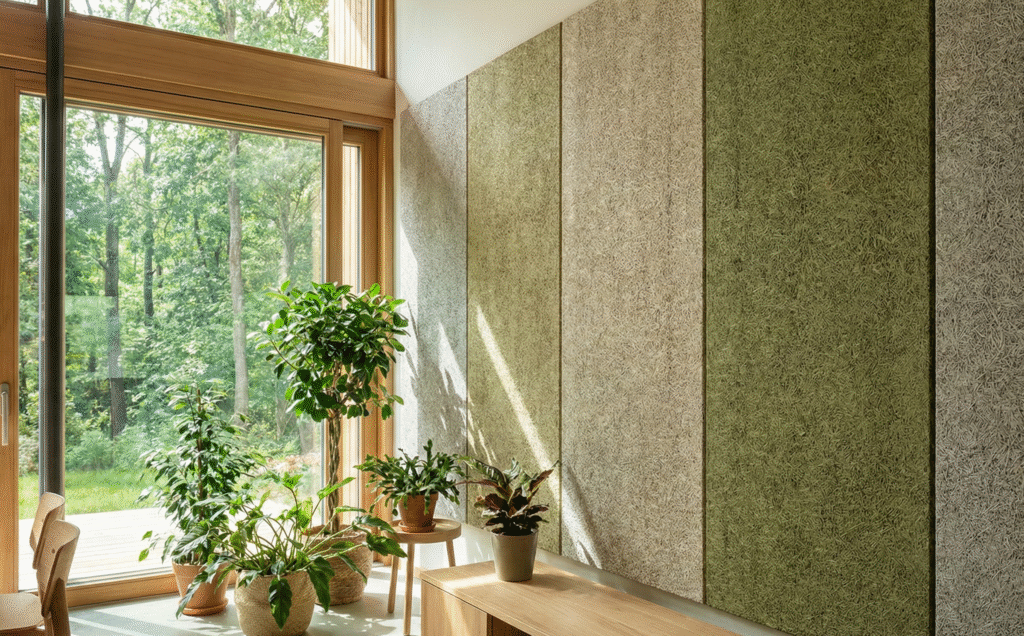
The acoustic industry continues innovating within the polyester fiber category, developing enhanced recycled content percentages, improving manufacturing efficiency, and expanding aesthetic options. For those seeking premium solutions, Acoustic Panel by Akinco represents the intersection of environmental responsibility and acoustic excellence.
Making the Sustainable Choice
Selecting acoustic treatments in 2026 means looking beyond immediate functional requirements to consider broader environmental implications. Polyester fiber panels offer a proven pathway to achieving both objectives—delivering the sound control modern spaces demand while honoring our responsibility to the planet.
The evidence is clear: these panels represent the most environmentally conscious choice available today. As awareness grows and sustainable practices become standard rather than exceptional, early adopters will be recognized for their foresight in choosing solutions that benefit both their immediate needs and our collective future.
Frequently Asked Questions
Are polyester fiber panels truly made from recycled materials?
Yes, quality polyester fiber panels are manufactured primarily from post-consumer recycled PET bottles. A single panel can contain the equivalent of dozens of plastic bottles, directly reducing landfill waste.
How do polyester fiber panels compare acoustically to traditional foam?
Polyester fiber panels typically match or exceed the acoustic performance of traditional foam, with NRC ratings between 0.85-1.0, while offering superior environmental credentials and better long-term durability.
Can polyester acoustic panels be recycled at the end of their life?
Yes, most polyester fiber panels can be recycled, contributing to a circular economy. This sets them apart from many traditional acoustic materials that end up as landfill waste.
Do these panels meet fire safety standards?
High-quality polyester fiber panels meet international fire safety standards, including Class A fire ratings, making them suitable for commercial and public spaces with strict safety requirements.
Are there any health concerns with polyester acoustic panels?
No, polyester fiber panels are considered safe for indoor use. They don’t emit VOCs, resist mold growth, and don’t contain harmful chemicals like formaldehyde found in some traditional acoustic materials.