Acoustic underlay is a thin, dense layer installed beneath flooring, tile, laminate, or engineered wood, designed to absorb impact noise before it travels down into the unit below. In Dubai towers, footfall noise between floors is one of the most common complaints residents raise, and most standard flooring installations simply don’t account for it. Underlay solves this at the source, sitting quietly beneath the finished floor where nobody sees it, doing the one job that stops your footsteps from becoming someone else’s problem.
Impact noise travels differently than airborne noise, and that difference is exactly why underlay exists as its own product category. When someone walks across a hard floor, the impact sends vibration directly into the structural slab, which then radiates that energy into the ceiling of the unit below. Carpets and rugs barely touch this problem, because they sit on the surface rather than decoupling the floor from the structure underneath.
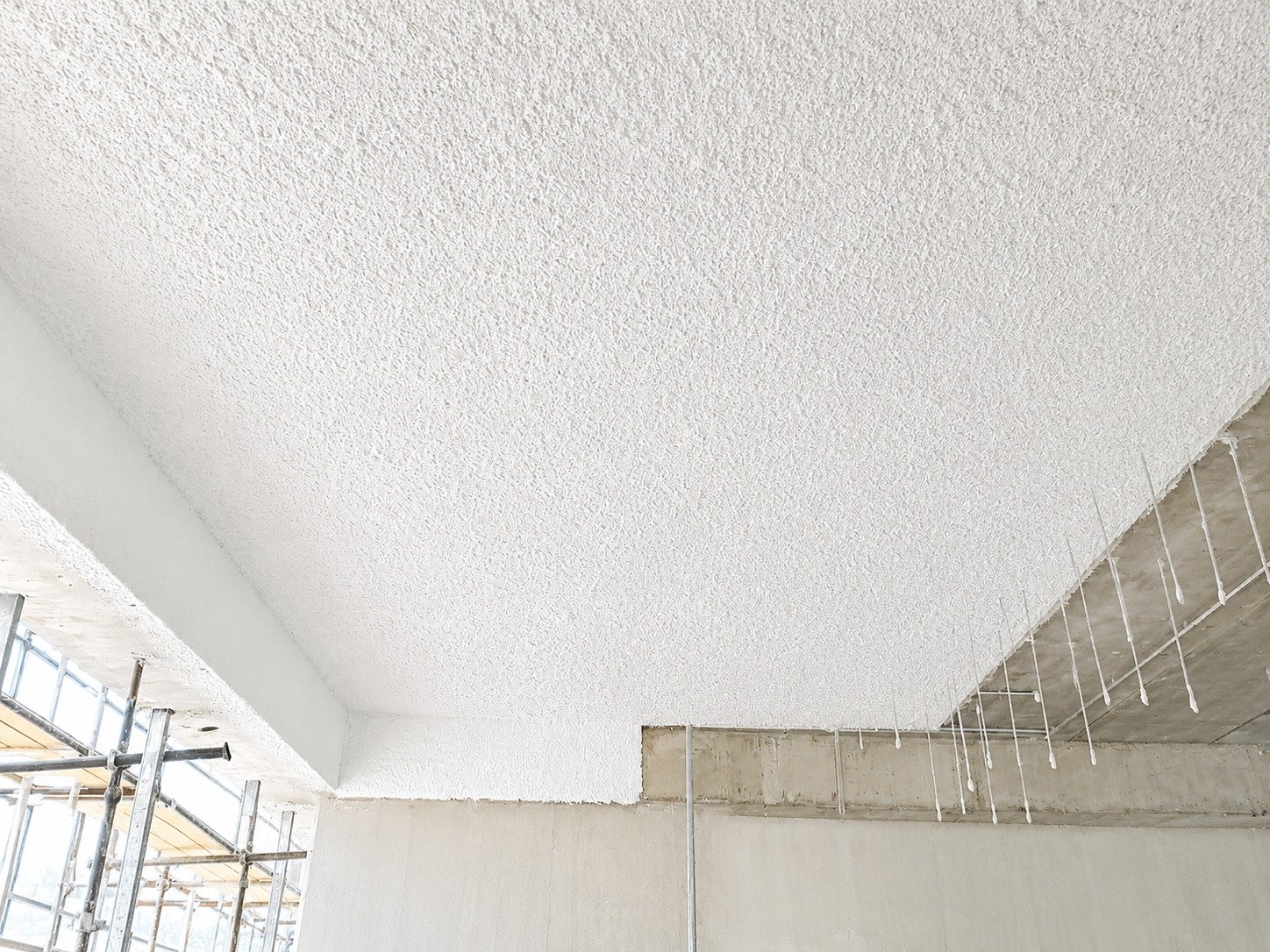
Acoustic underlay works by absorbing that impact energy right where it happens, before it has a chance to enter the slab. A dense, resilient layer sits between the finished floor and the structural base, cushioning every footstep, dropped object, and moved chair.
In Dubai towers, this is one of the most common sources of neighbor disputes, and often the least understood. Residents assume thick flooring or a nice rug will solve it, then get frustrated when complaints continue. The real fix has to happen at the structural layer, which is exactly where underlay sits. Getting the thickness and density right for your specific flooring type is what separates a genuinely quiet result from a marginal improvement that still leaves footsteps audible below.
We treat underlay as a structural decision, not an afterthought added after the flooring has already been chosen.
We check your existing slab, floor buildup height, and finish type to recommend the correct underlay thickness.
We reference impact insulation class targets relevant to your building type before recommending a specific product.
We match underlay density to your flooring choice, since tile, wood, and laminate all behave differently.
Our team fits underlay without gaps or overlaps that could otherwise create weak points in performance.
We work alongside your flooring contractor so the final surface goes down clean and level.
Quiet floors that protect neighbor relationships in every Dubai tower we work in
We source proven underlay materials rather than unverified budget alternatives sold without performance data.
We recommend thinner high performance options when floor buildup height is limited by design constraints.
Our team has fitted underlay across hundreds of residential and commercial floor assemblies.
We work directly with flooring contractors to avoid delays or installation conflicts on site.
It reduces impact noise, such as footsteps, transferring through the floor to the space directly below your unit.
Underlay primarily targets impact noise. Airborne noise reduction usually needs additional wall or ceiling treatment as well.
Most underlay options are only a few millimeters thick, so the impact on final floor height is usually minimal.
Most underlay products work under tile, laminate, engineered wood, and vinyl, though thickness and density vary by application.
Requirements vary by building and developer, and some towers do specify minimum impact insulation standards for renovations.
Installation time depends on total floor area, though most residential units are completed within a day or two.
Yes, this is one of the most common reasons clients install underlay, specifically to resolve footfall noise disputes.
We handle both, and we also coordinate directly with your flooring team to keep the whole project on schedule.
AKINCO acoustic and Contracting LLC Provides Best Acoustic Installation in Dubai. We provide seamless sound proofing services to ensure best sound quality for your residential and commercial space.
WhatsApp us