Spring hangers are vibration isolation devices used to suspend ductwork, pipes, ceiling grids, and mechanical equipment without letting vibration transfer into the building structure. Instead of a rigid metal to metal connection, a steel spring sits inside the hanger, absorbing vibration energy before it can travel through the ceiling into occupied rooms below or beside the equipment. In Dubai’s high rise towers, where mechanical rooms, chillers, and duct runs sit close to living and working spaces, spring hangers are often the deciding factor between a quiet mechanical system and a constant low frequency hum residents complain about for years.
Vibration doesn’t need air to travel, it moves directly through solid materials, which is exactly why a rigid metal connection between suspended equipment and a building structure causes so many noise complaints. A running chiller, fan, or duct system vibrates constantly, and if that vibration has a direct metal path into the slab, it radiates as a low frequency hum through walls and ceilings far from the actual equipment.
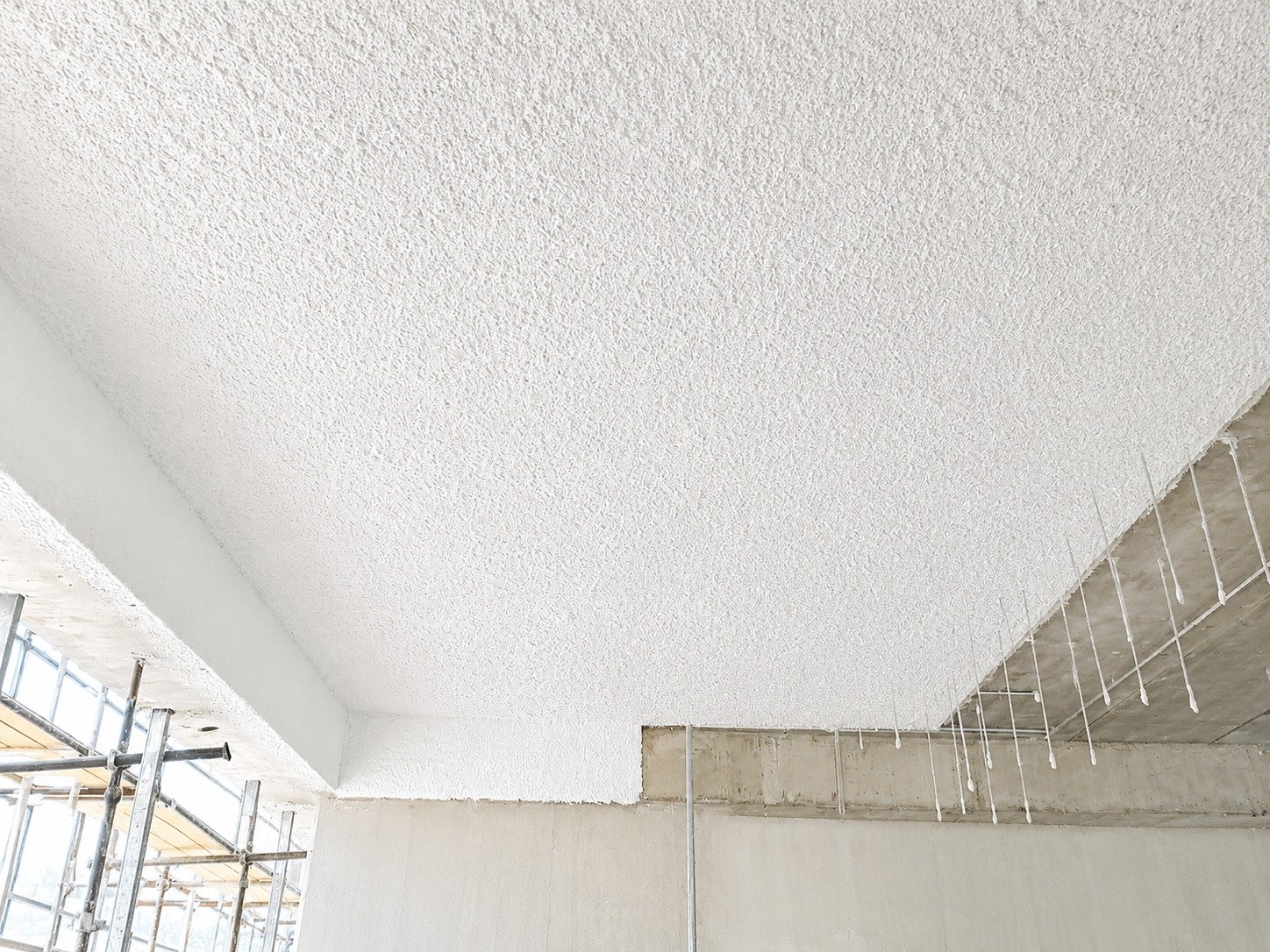
A spring hanger breaks that path. Instead of a hard connection, a calibrated steel spring sits inside the hanger, flexing slightly with every vibration cycle and absorbing the energy before it reaches the structure. The equipment stays securely suspended, but the vibration essentially stops at the spring instead of continuing into the building.
Getting this right depends heavily on matching the spring rating to the actual load and frequency involved, which is often where budget installations go wrong. An undersized spring compresses too far and loses its isolating effect, while an oversized one barely deflects at all. In Dubai’s mechanical rooms and duct heavy towers, correctly specified spring hangers are frequently the difference between a mechanical system nobody notices and one residents complain about for years.
We size and specify spring hangers based on actual load and vibration data, not generic assumptions about equipment weight.
We calculate the exact static load of suspended equipment to select a hanger with the correct spring rating.
We identify the frequency and intensity of vibration to choose a hanger that isolates it effectively.
We space hangers correctly along duct and pipe runs to maintain consistent isolation across the full system.
We work with mechanical contractors to confirm hanger placement suits the building's structural constraints.
We check that isolated systems no longer transmit noticeable vibration into surrounding structure.
Precision engineered vibration isolation that keeps mechanical noise where it belongs
Our engineers calculate load and deflection properly, avoiding the guesswork common in budget installations.
We supply hangers through Vibro Isolation Ltd, a specialist UK manufacturer trusted across major projects.
We coordinate directly with HVAC and MEP teams to avoid delays or rework on site.
Our specified hangers are built for sustained industrial and commercial duty cycles without early failure.
They isolate vibration and structure borne noise from suspended ductwork, pipes, ceiling grids, and mechanical equipment from transferring into the building.
Springs handle lower frequency vibration more effectively, while rubber isolators are often better suited to higher frequency, lighter duty applications.
They're largely maintenance free, though periodic visual inspection is recommended for long term mechanical installations.
We calculate based on the static load, required deflection, and the specific vibration frequency your equipment generates.
In most cases yes, though access and existing hanger points affect how straightforward the retrofit installation will be.
An undersized or oversized hanger fails to isolate vibration properly, often resulting in continued noise complaints after installation.
Yes, they're used across residential towers, commercial offices, and industrial facilities wherever suspended equipment needs isolation.
We handle specification, supply, and installation, coordinating directly with your mechanical contractor throughout the project.
AKINCO acoustic and Contracting LLC Provides Best Acoustic Installation in Dubai. We provide seamless sound proofing services to ensure best sound quality for your residential and commercial space.
WhatsApp us